Connecting with Chaplain Hilary Eash
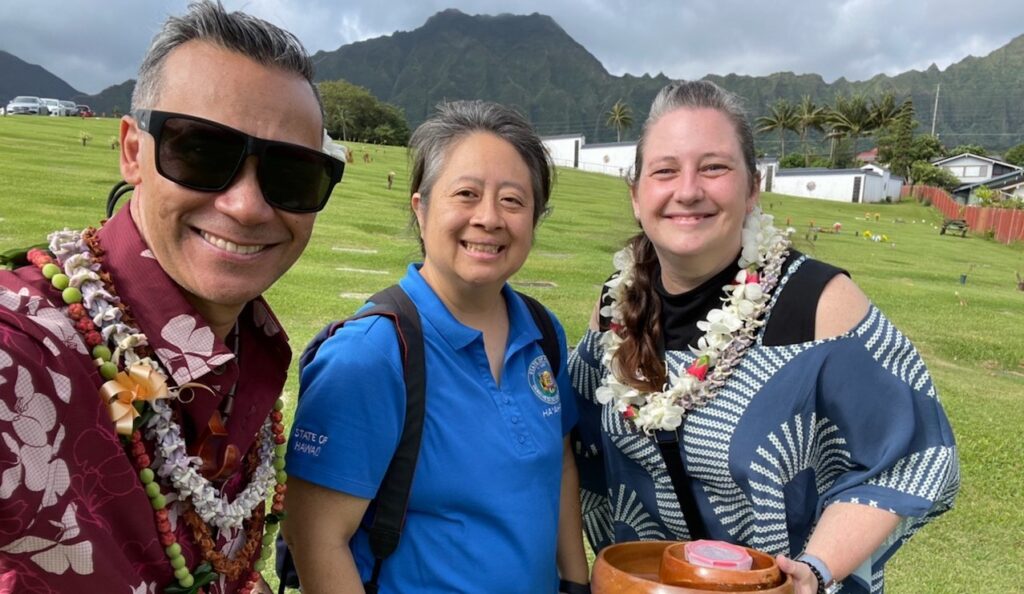
For Chaplain Hilary Eash, chaplaincy is more than a profession. It’s a calling rooted in being present for people during some of the most difficult moments of their lives. Although her path wasn’t straightforward, she has come to recognize that this is where she belongs.
Hilary first considered chaplaincy after a roommate in seminary encouraged her to participate in Clinical Pastoral Education (CPE), a program that prepares individuals to provide spiritual care through hands-on experience and reflection. At the time, Hilary worried about the emotional toll of the work and resisted the idea. A decade later, she entered CPE and discovered it challenged her to let go of the defenses she had built. “It was stripping away the armor that I had put up to protect myself so that I could be the person people need in that room,” she explained.
In many ways, Hilary’s calling began long before she entered the profession. At four years old, she remembers sitting beside an injured person outside a nurse’s office at summer camp, quietly holding their hand while they waited for help. Looking back, Hilary recognizes that same instinct to comfort and support others in her work as a chaplain today.
As Pacific Health Ministry (PHM) Chaplain Hilary approaches two years at Hawai‘i State Hospital, she serves more than 360 patients and over 1,000 staff members as the hospital’s sole chaplain. Her mission is to create a safe environment where people can practice their spirituality and heal their relationships to the divine or their higher power, others, and themselves.
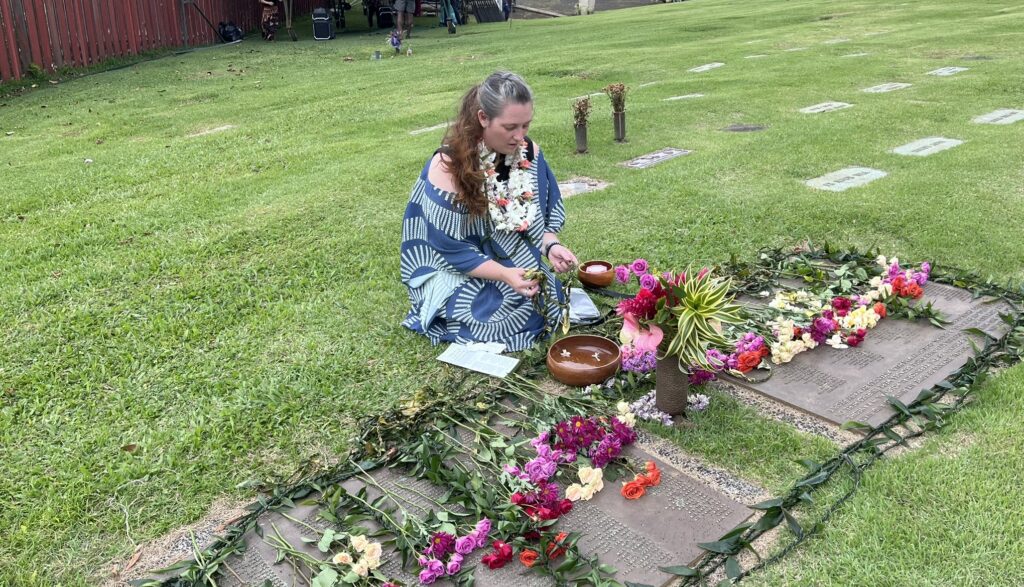
Since 2000, Hawaiʻi State Hospital has upheld an annual remembrance tradition honoring the 668 former patients whose remains were laid to rest at Hawaiian Memorial Park Cemetery in 1960. Held near the cemetery’s bronze memorial plaques, the service honors those who passed away while in the hospital’s care and whose remains went unclaimed by family. For the service’s 25th anniversary, a voluntary procession was introduced in which the names of recently deceased patients were read aloud as participants walked toward the memorial plaques to lay flowers and pay their respects. This meaningful addition connected the hospital’s history with the lives of those remembered today while reinforcing the community’s commitment to raising mental health awareness, reducing stigma, and encouraging open conversations about emotional, spiritual, and psychological well-being. 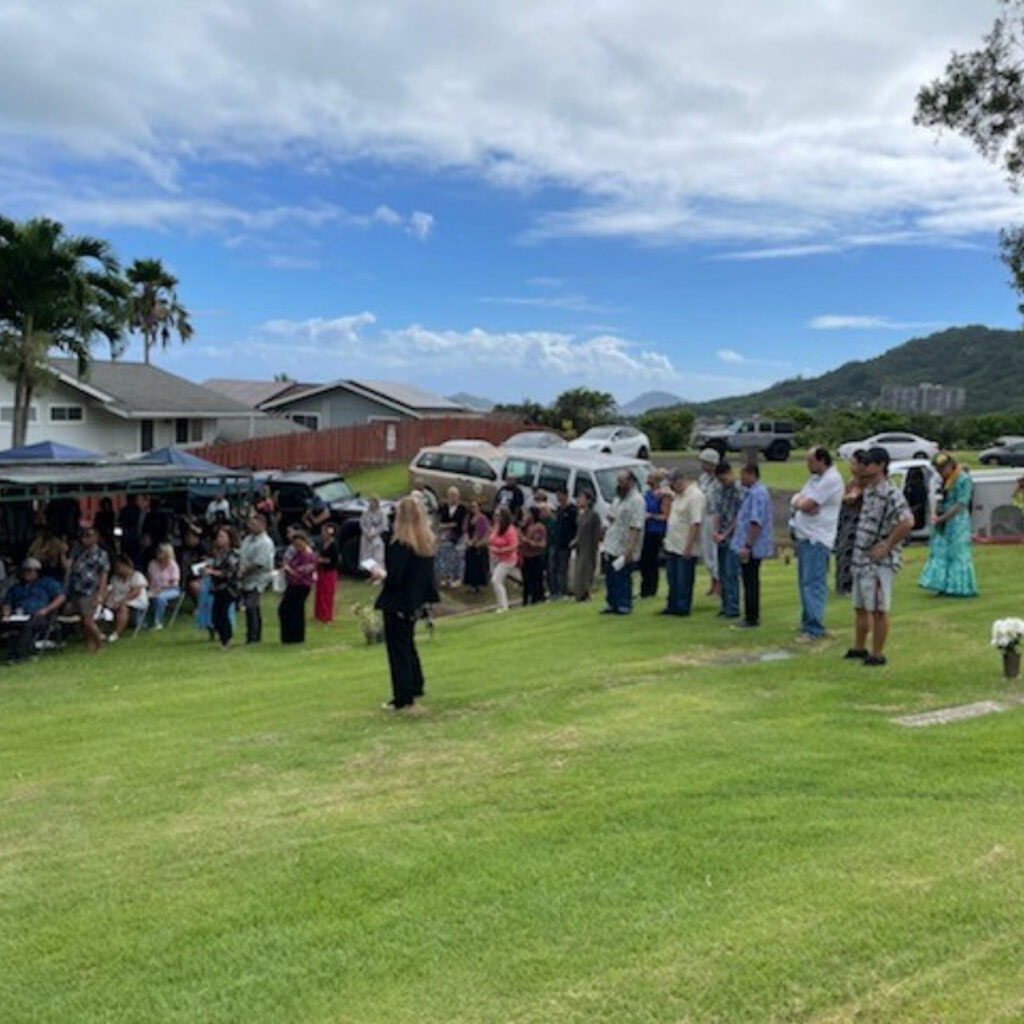
Held in July this year, the service also reminds the community that mental health awareness must continue year-round, including on World Mental Health Day, which falls on October 10. For Hilary, remembrance is not only about looking back but also about considering how people can better support those living with mental health challenges today. She hopes these efforts encourage compassion and understanding, making it easier for people to speak openly and seek help without fear of judgment.
Hilary knows that caring for others also means making time to care for herself. Outside of work, she enjoys crocheting blankets and lei, spending time with friends, and staying connected to her church community. These activities help her maintain balance. She also emphasizes the importance of community among chaplains, who often need support from others who understand the unique challenges of their work.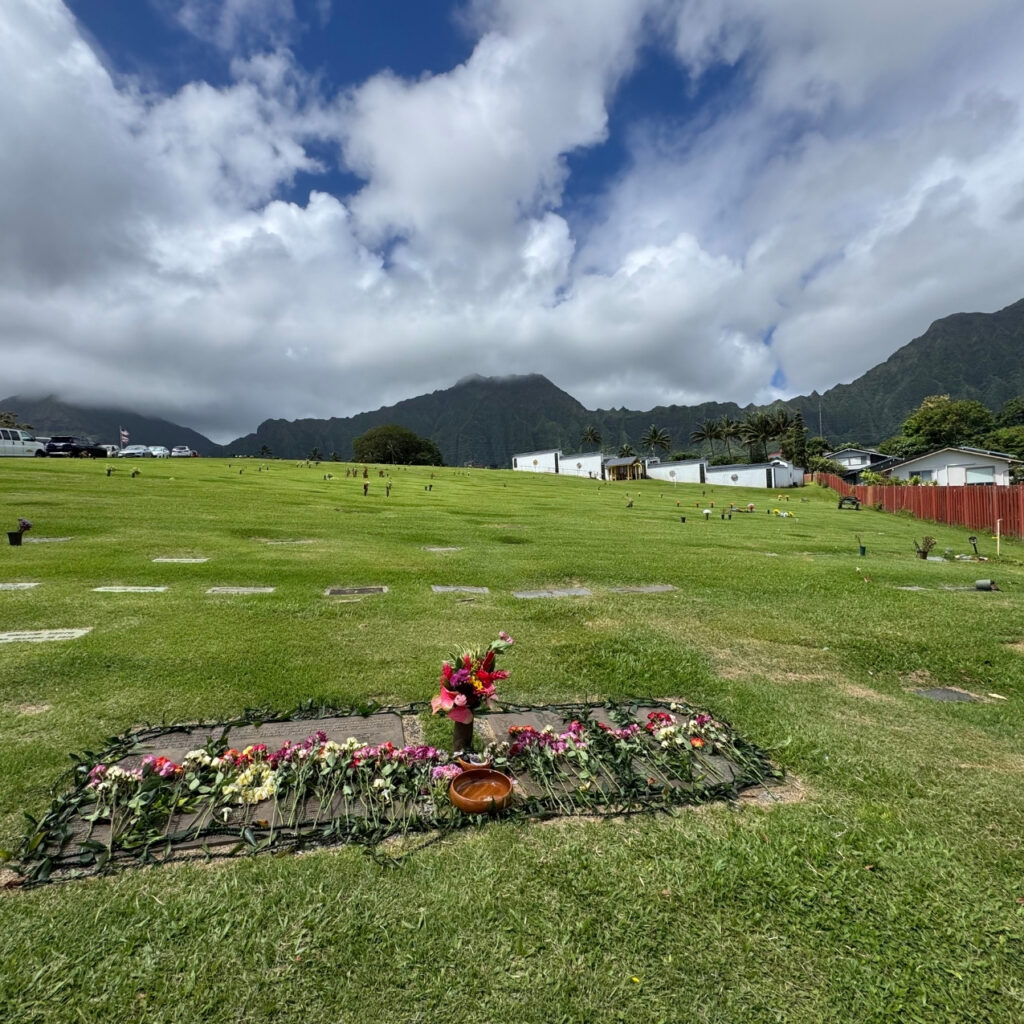
That is one reason Hilary encourages continued support for PHM. Through PHM, chaplains can learn from one another, share challenges, and find encouragement while serving people in hospitals and other settings. “I really believe people need to continue supporting PHM because they provide a much-needed program that you just can’t find anywhere else,” she said. She values the network not only as a resource for her own well-being, but also as a way to support other chaplains in their ministries.
For those considering chaplaincy, Hilary emphasizes that there is no single path into the profession. Chaplains serve in a variety of settings, including hospitals, the military, hospice care, homes, and workplaces – anywhere people may need spiritual support. She describes chaplains as both “spiritual EMTs,” helping people find spiritual stability during difficult moments, and librarians, gathering people’s stories and connecting them with the resources they need. “No person is the same, and no book is the same. Anyone considering becoming a chaplain must understand that their story and journey will differ from mine. All you can do is remain an open, curious book, willing to receive others’ stories, share your own, and recognize that your story is uniquely yours.”